Building a Practical Loadout Without Buying Everything at Once: The Details That Matter Most

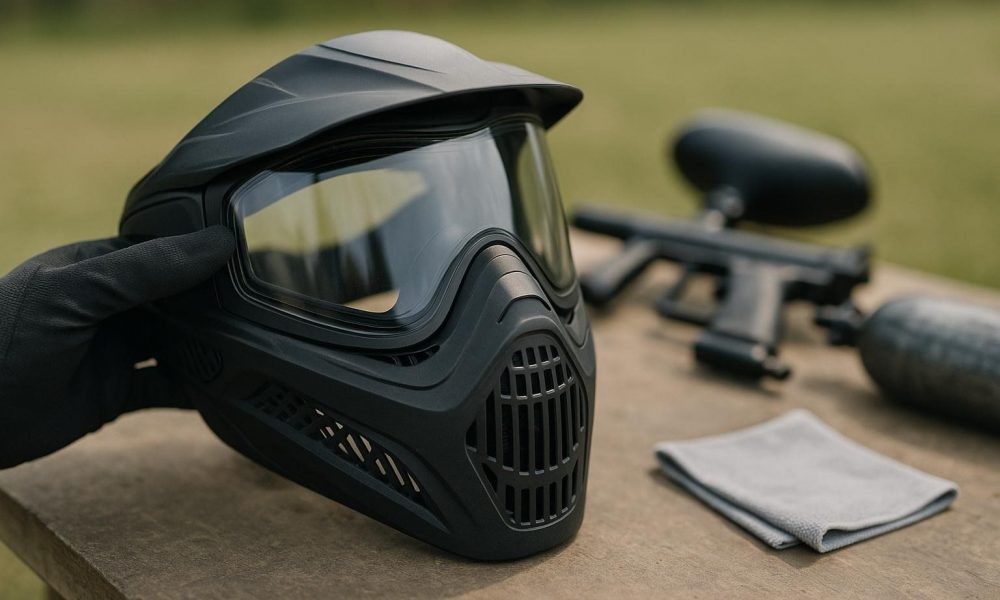
The overlooked part of preparing for a paintball day is not the marker, harness or clothing. It is checking what the field permits, what your protective equipment actually covers and what condition everything is in before you arrive. Buying in stages works well when each purchase solves a real problem instead of adding weight or visual appeal. Start with protection and compatibility, then choose equipment that is easy to inspect, clean and use responsibly. A smaller, dependable setup is more useful than a full bag of accessories you cannot maintain.
Start with protection, not accessories
Eye protection is the first non-negotiable decision. Use a purpose-made paintball mask that fits securely, seals around the face and is approved for the activity under the relevant field or manufacturer requirements. Do not treat ordinary safety glasses, sunglasses or an open-face airsoft setup as a substitute for a full paintball mask. Paintballs can strike from unexpected angles, and exposed gaps matter.
Check the lens before every session. Look for cracks, deep scratches, clouding, loose fittings or signs that the frame no longer holds the lens firmly. A lens that has been hit hard, stored under pressure or cleaned with unsuitable chemicals may need replacement even if the damage is not obvious. Follow the maker's cleaning instructions; abrasive cloths and household solvents can damage lens surfaces.
The rest of your paintball safety gear should support movement without creating new hazards. Gloves, sturdy footwear, long sleeves and lower-face protection may be sensible depending on the field and weather. Add them according to the site's rules and your actual exposure, not because a complete-looking loadout is more impressive.
Match purchases to the field
Before buying a marker or airsoft replica, ask practical questions. Does the field provide equipment? What power, velocity or projectile rules apply? Are certain accessories restricted? How much walking, crawling or climbing is involved? Does the site require barrel covers, chamber flags, approved masks or specific chronograph checks? Rules differ, and local laws or regulations can change, so verify current requirements with the field and the relevant official authority before attending.
This check can prevent an expensive mismatch. A setup suitable for a large outdoor game may be awkward in a compact course. A large hopper, bulky pack or elaborate clothing arrangement may catch on obstacles or make refilling harder. For airsoft, the same principle applies to replica power limits, permitted ammunition and eye-protection standards. Compatibility comes before appearance.
Buy the item that removes the biggest inconvenience. If borrowing equipment leaves you with an uncomfortable mask, start there. If your mask is sound but your clothing restricts movement, solve that first. If you regularly run out of paint or BBs, a suitable carrying solution may matter more than a new attachment.
Spend next on reliability
A practical paintball loadout should be easy to operate under ordinary game pressure. The marker or replica must be compatible with the field's rules and ammunition. Controls should be accessible, the feed system should seat correctly and nothing should rattle, bind or interfere with safe handling. Avoid purchasing parts simply because they are marketed as upgrades.
Reliability also includes the items that keep a session moving: a properly sized loader or magazine, a secure air system where applicable, a pod or magazine pouch that does not spill its contents, and a simple way to carry water. Choose based on fit, comfort and inspection rather than brand status or a tactical look.
Do not modify pressure systems, safety mechanisms or performance limits without qualified guidance and explicit field approval. Unsafe changes can damage equipment or create risks for other players. If a part seems loose, cracked or incompatible, stop using it until the issue has been checked.
Use maintenance as a buying filter
Maintenance begins before the game. Inspect seals, hoses, connectors, feed lips, fasteners and lens condition. Check that batteries are charged and stored correctly when the equipment uses them. For paintball equipment, follow the manufacturer's instructions for cleaning the marker, lubricating approved parts and handling the air system. Do not guess at lubricants or force components apart because a tutorial makes the process look simple.
After play, remove paint, dirt and moisture promptly. Clean the mask with the recommended method, dry fabric items fully and store equipment in a cool, dry place away from unnecessary pressure. Keep paint and BBs in suitable containers. A brief inspection after each session can reveal a damaged thread, worn seal or loose screw before it becomes a field failure.
A useful buying test is simple: can you name how the item will be cleaned, stored and checked? If not, postpone the purchase. More equipment means more points of failure and more maintenance time.
Let conduct shape the final kit
Equipment does not create good field behavior. Players do. Follow briefings, honor surrender or elimination procedures, keep the marker or replica pointed safely, and use barrel covers or equivalent safety devices whenever the field requires them. Keep your mask on in active areas until an official instruction says it is safe to remove it.
Sportsmanship is practical, not decorative. Call yourself out when you are hit, accept a referee's decision and avoid arguing over marginal shots. Do not overshoot, blind-fire, shoot through gaps that the rules prohibit or use equipment in a way that creates unnecessary pain. If another player has a problem with fogging, a mask issue or unsafe conduct, pause and involve a marshal rather than escalating the exchange.
Use this checklist before committing to another purchase:
– Does it meet the field's current rules?
– Does it improve protection, comfort, reliability or carrying capacity?
– Can I inspect and maintain it correctly?
– Will it fit the way I actually play?
– Can I use it without changing a safety system or performance limit?
A staged setup should become more dependable with each addition. Protection comes first, field compatibility follows, and accessories earn their place only when they make safe, respectful play easier.